Preparing for the First Freeze: Security and Safety Issues Businesses Often Overlook
The first freezing nights of the season rarely come as a surprise in Wisconsin, but the transition to colder weather still changes how people use commercial properties. Employees begin arriving or leaving in darkness, sidewalks become slippery, exterior doors react to colder temperatures, and snow eventually changes parking areas and walking routes.
Most businesses already have a winter maintenance routine. Furnaces get checked, snow removal arrangements are confirmed, and supplies such as salt get stocked. Property security deserves a place in those preparations too.
Cold weather does not automatically create security problems. It changes the conditions surrounding your property. Taking time before the first freeze to inspect entrances, exterior lighting, employee routes, access procedures, and other areas gives you an opportunity to address problems before winter becomes part of the daily routine.
Inspect Entrances, Doors, and Access Points
Exterior doors handle plenty of daily use. Employees, customers, vendors, contractors, and delivery drivers may pass through them hundreds of times during a normal week. Hinges loosen, closers wear down, weatherstripping deteriorates, and locks develop problems.
Cold temperatures sometimes make existing issues more noticeable. A door that closed properly during warmer weather might begin sticking or fail to latch completely. Employees may walk away believing the building is secured even though the door remains slightly open.
Before colder weather settles in, check exterior doors to make sure they close and latch properly without someone needing to pull or push them into place. Test locks and access-control equipment, and pay attention to secondary entrances that receive less attention than the main entrance.
Loading docks, employee entrances, maintenance doors, and doors between attached structures deserve the same review. If employees notice a problem with a lock or door, they should also know whom to tell so the issue does not linger.
This is part of a broader approach to business security. Locks, access procedures, employee awareness, lighting, and professional security all work best when businesses treat them as connected parts of the property rather than separate concerns.
Look at How People Move Around Your Property
Winter changes the routes people take.
An employee entrance that works well throughout summer might become inconvenient after snow begins accumulating. Employees may take shortcuts to avoid ice, wind, or areas that have not been cleared. Delivery drivers might begin using different doors, and snowbanks may eventually change how vehicles move through parking areas.
Before winter, walk through the property from the perspective of the people who use it every day. Look at the routes between employee parking and entrances, customer parking and public doors, loading areas and receiving entrances, and separate buildings on the property.
Consider where snow will be stored as well. Large piles near entrances, driveways, intersections, or parking lot exits may reduce visibility. Snow storage might also affect access to gates, exterior equipment, secondary entrances, or areas used by security personnel.
If your business uses exterior cameras, think about how these seasonal changes affect visibility. A camera positioned correctly in October might have a partially obstructed view once snow piles accumulate or equipment gets moved for winter.
Employee awareness matters here too. Our discussion of situational awareness in the workplace explains why paying attention to changes in familiar surroundings is an important part of workplace safety. Winter provides plenty of those changes, which makes clear reporting procedures especially useful.
Address Snow and Ice Before They Change Normal Routines
Snow and ice are primarily maintenance and safety concerns, but they also affect how security procedures work.
If an employee entrance becomes difficult to reach because the walkway is icy, employees may start using another door. If a loading area has not been cleared, a delivery might arrive somewhere other than the usual receiving point. If an exterior patrol route becomes difficult to walk, employees or security personnel might alter the route.
Those changes matter because access and security procedures often depend on predictable routines.
OSHA requires employers to maintain walking-working surfaces in a condition that is clean and, to the extent feasible, dry. Employers must also keep these surfaces free of hazards such as snow and ice.
Before winter, establish who is responsible for clearing entrances, sidewalks, employee routes, and other commonly used areas. Think beyond normal daytime hours. If employees arrive before a snow removal contractor, someone should know how the entrance will be addressed. Businesses operating overnight should also consider who monitors changing conditions before the morning shift arrives.
Clear routes make it easier for employees, customers, vendors, and security personnel to use the property as intended. They also reduce the need for people to improvise by using entrances or routes outside normal procedures.
Review Exterior Lighting and Visibility
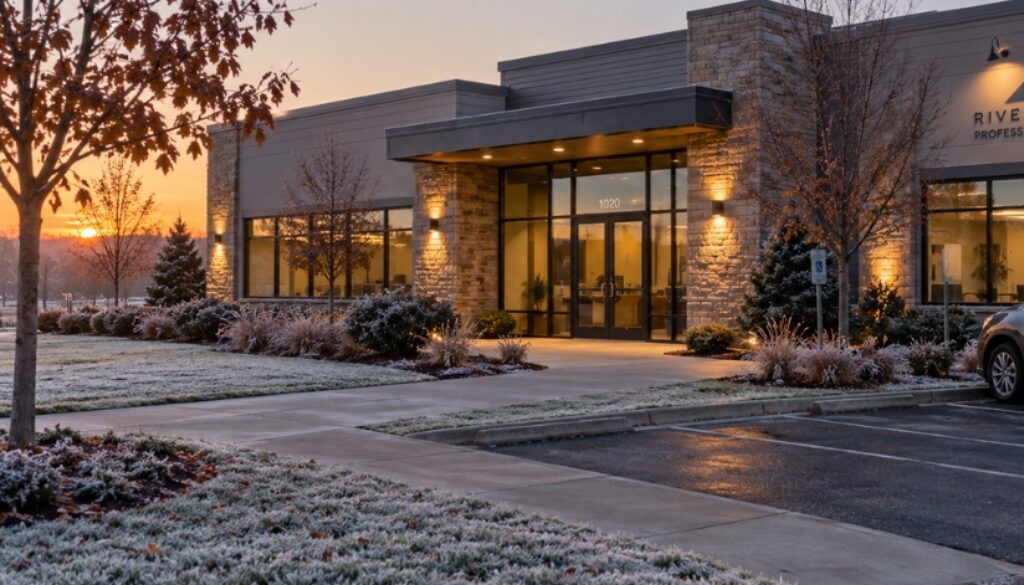
The first freeze arrives during the same part of the year when Wisconsin businesses are losing daylight quickly. That makes exterior lighting an important part of a fall property review.
Do not judge your lighting only during business hours. Walk around the property after sunset and look at the areas people actually use. Check employee and customer entrances, sidewalks, parking areas, loading docks, dumpsters, gates, storage areas, and paths between buildings.
Look for burned-out bulbs, inconsistent illumination, or fixtures blocked by landscaping, signs, equipment, or parts of the building. A functioning light does not always mean the surrounding area has useful visibility.
Pay particular attention to the route between the building and employee parking. Someone who left work during daylight throughout summer may now make the same trip after dark without any change to their schedule.
Businesses with security cameras should review nighttime visibility too. Check whether lighting supports a useful view of the areas each camera is intended to cover. Moving equipment, seasonal storage, snow accumulation, or other property changes might affect those views throughout winter.
If your property has multiple exterior areas requiring attention, our mobile security and foot patrol services provide options for covering outside perimeters and designated areas. Patrol coverage should complement good lighting, functioning locks, access procedures, and other basic property security measures rather than replace them.
Prepare for Seasonal Changes in Vendors and Deliveries
Winter brings different people onto many commercial properties.
Snow removal crews may arrive before employees. Heating contractors might need access to mechanical areas. Delivery schedules may shift because of weather. Businesses may also work with temporary employees or seasonal vendors as the holidays approach.
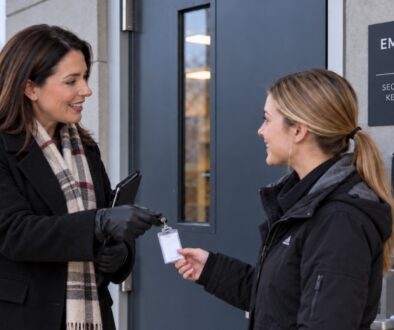
Review how these individuals receive access before winter gets busy. Employees should know which vendors are expected, where those vendors should enter, and which parts of the property they are authorized to access.
A contractor who needs to enter a mechanical room does not necessarily need unrestricted access to the rest of the building. Keys, badges, access codes, and other credentials should follow established procedures.
Verification does not mean treating every unfamiliar person as suspicious. The goal is to have a consistent way to confirm why someone is on the property and where they are supposed to go.
This is also where good records become useful. Our article about why business documentation matters discusses the value of maintaining clear records before a problem arises. Vendor schedules, access records, maintenance logs, and incident reports give businesses information to reference if questions come up later.
Check Emergency Exits and Less-Used Areas
Main entrances tend to receive plenty of attention because employees and customers use them every day. Winter preparation should also include the parts of your property people use less frequently.
Walk around emergency exits and confirm exterior areas remain accessible. Snow, ice, stored materials, or equipment should not interfere with routes people need to use. OSHA requires employers to provide and maintain safe means of access and egress to walking-working surfaces.
Think about fire lanes, hydrants, gates, and other areas emergency responders might need to reach as well. Snow storage plans should account for these locations before plowing begins.
Storage buildings, fenced areas, maintenance spaces, and other lightly used parts of the property also deserve a look. If employees visit these areas less often during winter, decide who will check them and how frequently.
The goal is to avoid having parts of the property disappear from normal routines for several months simply because employees spend less time outside.
Adjust Security Procedures as Winter Conditions Change
Preparing for the first freeze is a starting point, not the end of winter planning. Conditions will continue changing throughout the season.
A parking lot that works well after the first light snowfall might look much different after several storms. Snowbanks grow, daylight gets shorter, equipment moves, and employees adjust their routines. Businesses should continue paying attention to those changes instead of assuming the plan established in October will work unchanged through February.
Employees play an important role in this process. Make sure they know where to report a burned-out exterior light, damaged lock, icy entrance, blocked exit, or other property concern. If weather forces employees to use a different entrance or parking area, communicate the change clearly so everyone understands the new procedure.
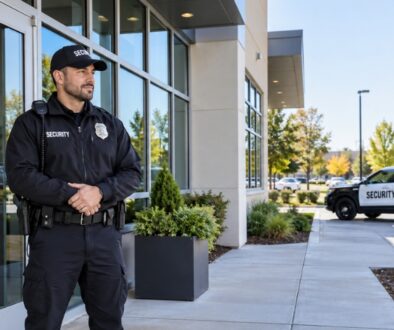
Businesses using professional security should also review whether patrol routes and areas of emphasis still make sense as conditions change. At O’Brien & Associates, we provide security guards, mobile security, and foot patrol services for businesses with different property layouts, operating schedules, and security needs.
A security plan works best when it reflects the property as people are actually using it, not the way the property looked several months earlier.
Get Your Property Ready Before Winter Settles In
The first freeze is a useful reminder to look beyond furnaces and snow removal. Doors, exterior lighting, employee routes, parking areas, vendor access, emergency exits, and security procedures all deserve attention as Wisconsin moves into colder weather. Reviewing these areas early gives your business time to correct problems and establish clear procedures before snow and ice become part of everyday operations.
If winter conditions are changing the security needs of your property, we can help you review your options. Our professional security services include security guards, mobile patrols, and foot patrols for short- and long-term assignments. If you want to discuss your property, operating hours, or areas where additional security coverage might be useful, contact O’Brien and Associates to learn more about security services that may fit your business.