
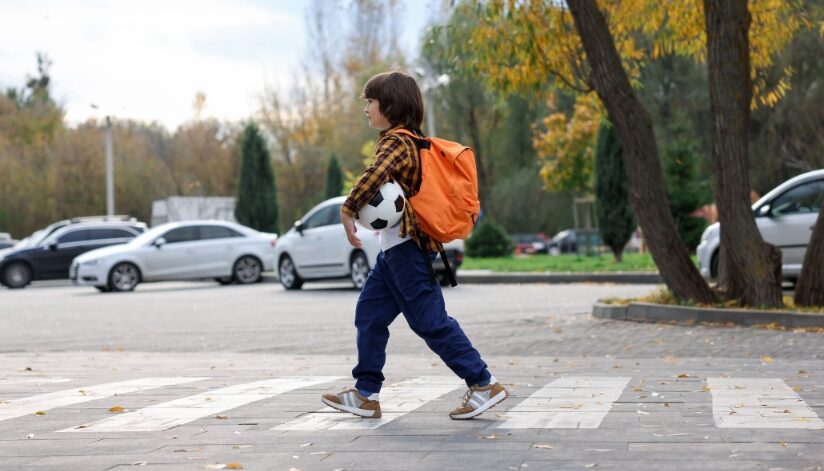
Back-To-School Safety: Practical Tips For Students And Families
As summer comes to an end, families begin preparing for a new school year. Shopping for school supplies, organizing schedules, and attending open houses are all part of the annual routine. It is also an ideal time to talk about personal safety and establish habits that can help students feel more confident throughout the school year.
These back-to-school safety tips are not about creating unnecessary concern. Instead, they encourage awareness, communication, and thoughtful decision-making in everyday situations. Whether a student is attending elementary school, high school, or college, developing good safety habits can support greater confidence both on and off campus.
By taking a few practical steps before classes begin, families can help students prepare for new routines while encouraging personal responsibility and situational awareness.
Why Back-To-School Safety Matters
Returning to school often means adjusting to new schedules, unfamiliar environments, and increased activity.
Students may walk new routes, ride the bus, drive to school for the first time, or navigate a college campus independently. Parents may also have new pickup routines, after-school activities, or transportation schedules to coordinate.
Planning helps reduce uncertainty and allows students to think about how they will respond in everyday situations.
Review Transportation Plans Before School Begins
One of the most important back-to-school safety tips is discussing transportation before the first day of school.
Families should review:
- Walking routes
- Bicycle routes
- Bus pickup and drop-off locations
- Driving expectations for new drivers
- Parent pickup procedures
- Emergency transportation plans
If possible, younger students may benefit from practicing their route before school begins. Walking or driving the route together allows families to identify crosswalks, traffic patterns, and landmarks that can help students feel more comfortable.
Encourage Situational Awareness
Situational awareness is simply the habit of paying attention to your surroundings.
Students do not need to be constantly worried about potential problems. Instead, they should become comfortable noticing what is happening around them while avoiding unnecessary distractions.
Examples include:
- Looking up from mobile devices while walking
- Paying attention when crossing streets
- Being aware of nearby traffic
- Recognizing school staff and security personnel
- Knowing where important offices and exits are located
These simple habits help students stay engaged with their environment throughout the day.
Talk About Digital Safety
The school year often brings increased use of laptops, tablets, smartphones, and online learning platforms.
Students should understand the importance of protecting personal information online.
Families may wish to discuss:
- Creating strong passwords
- Avoiding sharing login information
- Being thoughtful about what is posted on social media
- Verifying unfamiliar messages before responding
- Keeping devices updated
Digital awareness is just as important as physical awareness, especially as technology becomes a larger part of education.
Keep Personal Information Private
Students are often asked to provide personal information throughout the school year. While schools and educational organizations have legitimate reasons for requesting certain information, students should also understand the importance of protecting sensitive details.
Remind students to avoid sharing information such as:
- Home addresses
- Personal phone numbers
- Passwords
- Financial information
- Student identification numbers when not necessary
Learning to protect personal information is a valuable habit that extends well beyond the classroom.
Make Communication Part Of Your Family’s Routine
Open communication is one of the most valuable back to school safety tips families can practice.
Students should know who they can contact if plans change or if they need assistance during the school day.
Families may consider discussing:
- Emergency contacts
- Pickup changes
- After-school activities
- Expected arrival times
- How to communicate if a phone is unavailable
These conversations help establish clear expectations before situations arise.
Encourage Safe Habits On Campus
Whether attending middle school, high school, or college, students can benefit from developing consistent habits that support everyday safety.
Examples include:
- Keeping personal belongings secure
- Locking vehicles when appropriate
- Carrying identification if required
- Knowing the locations of campus offices
- Walking with friends when possible
- Reporting maintenance concerns or suspicious activity to school officials
These are practical habits that help students remain aware without disrupting their normal routines.
Prepare College Students For Greater Independence
College often introduces new responsibilities and greater independence.
Students may be living away from home for the first time, managing transportation independently, or navigating unfamiliar campuses.
Families can discuss topics such as:
- Becoming familiar with campus resources
- Saving important emergency contact numbers
- Understanding residence hall procedures
- Securing laptops and other valuable items
- Being aware of surroundings when traveling across campus
Planning ahead can help students feel more confident as they adjust to new environments.
Know Where To Find Help
Students should become familiar with the people and resources available to them throughout the school year.
This may include:
- Teachers
- School administrators
- Guidance counselors
- Campus security personnel
- Resident assistants
- School resource officers
- Student support services
Knowing where to seek assistance helps students respond appropriately if questions or concerns arise.
Practice Responsible Technology Use
Technology offers many educational benefits, but it can also create distractions.
Students should remember to:
- Avoid texting while walking near traffic
- Keep devices secure when not in use
- Log out of shared computers
- Review privacy settings on applications
- Think carefully before sharing personal information online
Responsible technology use supports both digital security and situational awareness.
Build Confidence Through Preparation
One of the goals of preparing for a new school year is helping students feel comfortable in new situations.
Simple preparation may include:
- Reviewing daily schedules
- Visiting the school before classes begin
- Identifying trusted adults
- Organizing school supplies
- Discussing emergency procedures
- Practicing transportation routes
Preparation often helps students approach the school year with greater confidence and independence.
Common Questions About Back-To-School Safety
At What Age Should Families Begin Talking About Personal Safety?
Safety conversations can begin at an early age and evolve as children become more independent. The topics discussed should reflect the child’s age, maturity, and daily activities.
Should College Students Continue Reviewing Safety Habits?
Yes. As students gain independence, developing good habits related to personal awareness, communication, and protecting personal information remains valuable.
How Can Families Encourage Situational Awareness?
Parents can encourage children to observe their surroundings, limit distractions when appropriate, and communicate openly about situations they encounter during the school day.
What Is The Most Important Back-To-School Safety Tip?
There is no single recommendation that applies to every family. Open communication, preparation, situational awareness, and responsible decision-making all contribute to helping students navigate the school year confidently.
Supporting Safety Through Everyday Habits
Many of the most effective safety habits are also the simplest. Paying attention to surroundings, communicating with trusted adults, protecting personal information, and planning ahead all contribute to a safer and more confident school experience.
These habits are not limited to the classroom. They support students as they participate in extracurricular activities, travel throughout their communities, and eventually transition into college and the workforce.
Final Thoughts On Back-To-School Safety Tips
Preparing for a new school year involves much more than purchasing supplies and organizing schedules. It is also an opportunity to build habits that encourage awareness, responsibility, and thoughtful decision-making.
By discussing transportation, digital safety, personal information, communication, and situational awareness, families can help students feel prepared for the year ahead while supporting their confidence and independence.
O’Brien & Associates is committed to promoting awareness, preparedness, and informed decision-making through its professional investigative and security services. If you would like to learn more about the company’s available services, contact O’Brien & Associates for additional information.