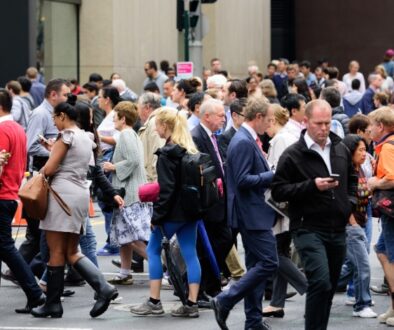

Preparing For Summer Events: Security Considerations For Large Gatherings
Summer is one of the busiest seasons for public gatherings. From community festivals and outdoor concerts to company picnics, charity fundraisers, and sporting events, organizations often spend months coordinating venues, vendors, schedules, and guest experiences.
While entertainment and logistics receive much of the attention, security planning is another important consideration. Taking time to evaluate potential risks before an event begins can help organizers prepare for both routine operations and unexpected situations.
Whether an event is expected to attract dozens or thousands of attendees, understanding key security considerations and evaluating available event security services can help organizers make informed decisions before guests arrive.
Why Security Planning Matters For Summer Events
Summer gatherings often present unique considerations compared to indoor events held throughout the year. Extended daylight hours, outdoor environments, larger attendance numbers, temporary structures, and changing weather conditions can all influence event operations.
Even well-organized events may encounter unexpected situations that require a coordinated response. Security planning is not only about responding to emergencies. It also involves supporting everyday event operations such as managing access points, monitoring crowd movement, protecting equipment, and maintaining situational awareness throughout the venue.
By addressing security needs early, organizers can identify potential concerns, establish communication procedures, and support a positive experience for attendees, staff, vendors, and volunteers.
Common Security Considerations For Large Gatherings
Every event is unique, but several factors are commonly evaluated during the planning process.
Crowd Management
Understanding how attendees will move throughout an event space is an important part of event planning. Organizers often consider expected attendance levels, entry and exit locations, parking areas, and high-traffic zones.
Large crowds can create congestion in certain areas, particularly near entrances, food vendors, stages, or popular attractions. Evaluating attendee flow ahead of time can help identify locations where additional monitoring or staffing may be beneficial.
Access Control
Controlling access to specific areas can help organizers maintain order and protect attendees, staff, vendors, and equipment.
Depending on the event, access control measures may include:
- Designated entry and exit points
- Credential checks for staff and vendors
- Restricted access areas
- Visitor registration procedures
- Equipment and supply monitoring
Clearly defined access procedures can help reduce confusion and support efficient event operations.
Parking And Traffic Flow
Parking lots and surrounding roadways are often among the first areas attendees encounter. Poor traffic flow can create delays, frustration, and safety concerns before guests even reach the event.
Planning for parking management may involve evaluating traffic patterns, identifying potential bottlenecks, and considering how vehicles and pedestrians will safely navigate the area.
For larger events, organizers may also coordinate with venue management or local authorities regarding traffic considerations.
Equipment And Property Protection
Many events involve valuable equipment, including audio systems, lighting, staging materials, technology, vendor inventory, and temporary structures.
Protecting these assets often requires coordination before, during, and after the event. Security considerations may include monitoring storage areas, restricting access to equipment zones, and establishing procedures for setup and breakdown periods.
Communication And Incident Response Planning
Clear communication is an important part of event operations. Organizers often establish procedures that allow staff, vendors, volunteers, and security personnel to share information quickly if concerns arise.
Planning ahead may involve identifying points of contact, outlining reporting procedures, and determining how information will be communicated during unexpected situations. Establishing these processes before an event begins can help improve coordination when timely decisions are needed.
Evaluating The Event Venue
Every venue presents different considerations. Factors such as property size, lighting conditions, access points, nearby roadways, and surrounding activity can influence security planning decisions.
Conducting a site assessment before the event allows organizers to identify potential vulnerabilities and determine where additional resources may be appropriate. Understanding the physical environment can also help support decisions related to staffing, access control, traffic management, and emergency response procedures.
How Event Security Services Support Large Gatherings
When planning a large gathering, organizers may explore whether professional event security services are appropriate for their specific situation.
The role of event security can vary depending on factors such as venue size, attendance levels, event type, and organizational requirements. Security personnel may assist with monitoring event activity, supporting access control procedures, observing parking areas, responding to concerns reported by attendees, and helping maintain awareness throughout the venue.
Because every event presents different challenges, security planning often involves evaluating the specific needs of the venue and expected audience before determining the level of support that may be appropriate.
Questions To Consider When Planning Event Security
Event organizers often benefit from asking several key questions during the planning process:
How Many People Are Expected To Attend?
Attendance estimates can influence staffing decisions, venue layout considerations, parking needs, and access control planning.
What Type Of Event Is Being Held?
A community festival may have different security considerations than a corporate event, sporting competition, fundraiser, or private gathering.
Is The Event Indoors Or Outdoors?
Outdoor events may involve additional considerations related to weather, visibility, property boundaries, and multiple access points.
Are There Restricted Areas?
Some events include backstage areas, equipment storage locations, VIP sections, or staff-only spaces that require controlled access.
What Procedures Exist For Unexpected Situations?
While organizers cannot anticipate every circumstance, having clear communication and response procedures can help support coordination if issues arise.
Security Planning Supports Event Readiness
One common misconception is that security measures are only necessary when organizers anticipate problems. In reality, security planning is often focused on readiness, coordination, and situational awareness.
Many security measures are designed to support organization, communication, and operational efficiency throughout an event. Taking a proactive approach allows organizers to evaluate potential vulnerabilities and establish procedures before challenges occur.
This type of preparation can help support event operations while allowing attendees, staff, vendors, and volunteers to focus on enjoying the event experience.
Working With Experienced Professionals
Planning a successful event often requires coordination among multiple service providers, venue representatives, staff members, and vendors. Security considerations are one component of a broader effort that helps support a positive event experience.
For organizations evaluating security needs for an upcoming gathering, consulting with experienced professionals can provide additional insight into factors that may be relevant based on the event’s size, location, and operational requirements.
Understanding available options allows organizers to make informed decisions that align with their goals and responsibilities.
Final Thoughts
Summer events create opportunities for communities, organizations, and businesses to bring people together and create memorable experiences. As planning efforts move forward, security considerations should be viewed as an important part of overall event readiness.
By evaluating crowd management, access control, traffic flow, venue conditions, communication procedures, and property protection needs, organizers can better understand the factors that may influence event operations and attendee safety.
Organizations planning summer events may benefit from evaluating security considerations well before guests arrive. O’Brien & Associates works with businesses, organizations, and event planners to assess event security needs and provide support based on venue requirements, attendance expectations, and operational goals.
To learn more about available event security services, contact O’Brien & Associates.